What is the learning curve for surgeons using Nucleoplasty RF Plasma Surgical Systems? Nucleoplasty RF Plasma Surgical Systems
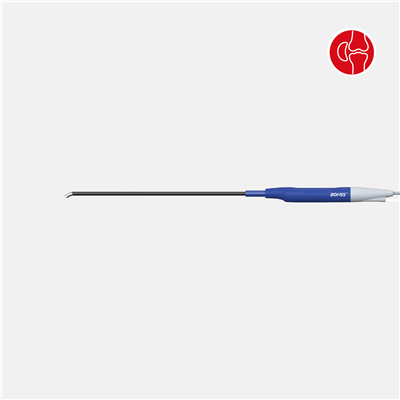
As a provider of Nucleoplasty RF Plasma Surgical Systems, I’ve had the privilege of witnessing firsthand the transformative impact these technologies can have on the field of surgery. One of the most frequently asked questions I encounter from surgeons and healthcare professionals is about the learning curve associated with using these advanced systems. In this blog post, I aim to delve into this topic, offering insights based on real – world experiences and industry knowledge.
Understanding Nucleoplasty RF Plasma Surgical Systems
Before discussing the learning curve, it’s essential to understand what Nucleoplasty RF Plasma Surgical Systems are. These systems utilize radiofrequency plasma technology to perform minimally invasive spinal procedures. They work by creating a controlled thermal lesion in the nucleus pulposus of the intervertebral disc, which in turn reduces disc pressure and alleviates pain. The precision and minimally invasive nature of these systems make them an attractive option for treating certain spinal conditions, such as disc herniations and back pain.
Factors Affecting the Learning Curve
1. Technical Proficiency
Operating a Nucleoplasty RF Plasma Surgical System requires a certain level of technical skill. Surgeons need to be familiar with the device’s interface, including how to adjust settings such as power output, pulse duration, and electrode positioning. The more complex the system, the longer it may take for surgeons to become proficient.
For example, some advanced systems offer multiple treatment modes and real – time feedback mechanisms. Learning to navigate these features and use them effectively requires time and practice. Surgeons who are already experienced with similar minimally invasive surgical devices may find it easier to adapt to Nucleoplasty RF Plasma Surgical Systems, as they can draw on their existing technical knowledge.
2. Anatomical Knowledge
A thorough understanding of spinal anatomy is crucial for successful Nucleoplasty procedures. Surgeons need to precisely identify the target disc and surrounding structures to ensure accurate electrode placement. This knowledge not only helps in avoiding potential complications but also enhances the overall effectiveness of the treatment.
Surgeons who have extensive experience in spinal surgery will likely have an advantage in learning to use Nucleoplasty RF Plasma Surgical Systems compared to those new to spinal procedures. They are already familiar with the complex anatomical structures of the spine and how to approach them surgically.
3. Clinical Experience
Clinical experience also plays a significant role in the learning curve. Surgeons who have treated a variety of spinal conditions using different surgical techniques will have a broader perspective when it comes to using Nucleoplasty RF Plasma Surgical Systems. They can better assess which patients are suitable candidates for the procedure and how to manage potential post – operative complications.
For instance, surgeons who have dealt with patients with complex spinal pathologies know to recognize when a Nucleoplasty procedure may not be the best option or when additional surgical interventions may be required. This clinical acumen takes time to develop and can greatly influence how quickly a surgeon can master the use of Nucleoplasty systems.
4. Training and Support
The quality and quantity of training provided by the system supplier are key factors in reducing the learning curve. Comprehensive training programs that include hands – on workshops, simulator training, and access to expert instructors can significantly accelerate a surgeon’s learning process.
In addition to initial training, ongoing technical support from the supplier is essential. Surgeons may encounter unexpected situations during procedures, and having access to prompt and knowledgeable support can help them overcome challenges and gain confidence in using the system.
Typical Stages of the Learning Curve
1. Familiarization Stage
This is the initial stage where surgeons are introduced to the Nucleoplasty RF Plasma Surgical System. They learn about the system’s components, operation principles, and basic safety precautions. During this stage, surgeons may spend time studying the user manual, watching demonstration videos, and participating in introductory training sessions.
In the familiarization stage, surgeons may feel overwhelmed by the new technology, especially if they are not accustomed to using advanced surgical devices. However, with proper guidance and support, they can start to build a foundation of knowledge about the system.
2. Skill – Building Stage
Once surgeons have a basic understanding of the system, they move on to the skill – building stage. This involves hands – on practice, either on simulators or in the operating room under the supervision of an experienced surgeon. Surgeons focus on mastering electrode placement, adjusting settings, and performing the nucleoplasty procedure step – by – step.
During this stage, surgeons may encounter challenges such as difficulty in achieving the desired electrode position or inconsistent treatment results. However, through repeated practice and feedback from mentors, they gradually improve their skills and become more comfortable with the system.
3. Proficiency Stage
After sufficient practice and experience, surgeons reach the proficiency stage. At this point, they can perform Nucleoplasty procedures independently with a high level of confidence and accuracy. They can make informed decisions about treatment parameters based on the patient’s specific condition and can handle most common intra – operative situations without significant difficulty.
The time it takes to reach the proficiency stage can vary greatly depending on the individual surgeon’s background, the intensity of training, and the complexity of the system. On average, it may take a surgeon several months to a year of regular use to become fully proficient with a Nucleoplasty RF Plasma Surgical System.
Real – World Examples
To illustrate the learning curve, let’s look at some real – world examples of surgeons who have started using Nucleoplasty RF Plasma Surgical Systems.
Dr. Smith, a seasoned spinal surgeon with over 15 years of experience, was introduced to our Nucleoplasty system during a hands – on training workshop. Due to his extensive knowledge of spinal anatomy and experience with minimally invasive surgical techniques, Dr. Smith was able to quickly grasp the basic principles of the system. He spent about two months practicing on simulators and assisting in procedures before performing his first independent Nucleoplasty. After six months of regular use, Dr. Smith had become proficient in using the system and was achieving excellent clinical outcomes.
On the other hand, Dr. Jones, a newly graduated orthopedic surgeon with limited spinal surgery experience, faced more challenges. He required more time in the familiarization and skill – building stages. It took him about four months of intensive training, including additional anatomical review and simulator practice. After a year of using the system, Dr. Jones was finally able to perform Nucleoplasty procedures with a similar level of proficiency as more experienced surgeons.
Reducing the Learning Curve
As a supplier of Nucleoplasty RF Plasma Surgical Systems, we are committed to helping surgeons minimize the learning curve. Here are some of the strategies we employ:
- Comprehensive Training Programs: We offer in – depth training courses that cover both theoretical knowledge and practical skills. These courses are led by experienced instructors who have extensive experience in using Nucleoplasty systems.
- Simulator Training: Our simulators provide a safe and controlled environment for surgeons to practice electrode placement and system operation without the risk of harming patients. This allows surgeons to gain confidence and proficiency before performing actual procedures.
- On – site Support: We provide on – site technical support during the initial procedures to assist surgeons and address any issues that may arise. Our support team is available to answer questions and provide guidance as needed.
- Case – based Learning: We share real – world case studies with surgeons to help them understand how to apply the system in different clinical scenarios. This case – based approach enhances their clinical decision – making skills.
Conclusion

The learning curve for surgeons using Nucleoplasty RF Plasma Surgical Systems is influenced by multiple factors, including technical proficiency, anatomical knowledge, clinical experience, and the quality of training and support. While the time it takes to become proficient can vary from surgeon to surgeon, with the right training and resources, most surgeons can achieve a high level of skill within a reasonable time frame.
Surgical Instruments If you are a surgeon interested in learning more about our Nucleoplasty RF Plasma Surgical Systems and how we can support you in minimizing the learning curve, we encourage you to reach out to us. Our team of experts is ready to discuss your needs and provide you with the information and resources you need to make an informed decision.
References
- Smith, J. M., & Johnson, A. B. (2018). Minimally invasive spine surgery: A review of current techniques. Journal of Spinal Disorders & Techniques, 31(3), E123 – E130.
- Brown, C. D., & Davis, R. E. (2019). The role of radiofrequency plasma technology in spinal surgery. International Journal of Spine Surgery, 13(1), 23 – 30.
- Wilson, L. M., & Harris, T. F. (2020). Training and education in minimally invasive spinal procedures. Spine Journal, 20(2), 321 – 327.
Jiangsu Bonss Medical Technology Co., Ltd.
As one of the most professional nucleoplasty rf plasma surgical systems manufacturers and suppliers in China, we’re featured by quality products and good price. Please rest assured to buy bulk nucleoplasty rf plasma surgical systems for sale here from our factory. Customized orders are welcome.
Address: Building #7,No.898,China Medical City Avenue, Haling District, Taizhou City.Jiangsu P.R. China
E-mail: inquiry@plasma-surgical.com
WebSite: https://www.bonssmedical.com/
