If you’ve ever suited up for a patrol, tactical operation, or even a long training shift, you’ve probably spent more than a few seconds adjusting your duty vest. Most folks fixate on the front pockets for their radio, flashlight, or magazine pouches, or the cummerbund that cinches the load close to their torso. But stop for a second: when you yank those shoulder straps up, tug them tight, and adjust the side adjusters to keep the vest from riding up, that’s not just for comfort. As a duty vest supplier who’s worked closely with law enforcement, corrections, and first responder teams for over a decade, I can tell you the shoulder straps are the unsung core of the entire vest system—they’re what turn a collection of gear into a tool that works for you, not against you. Duty Vest
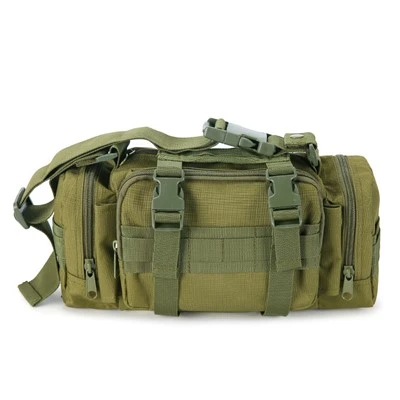
Let’s start with the basics: what do shoulder straps actually do? Most people think they just hold the vest up, but that’s like saying a car’s tires just touch the road. They’re the primary load-bearing interface between the vest and your body. A standard duty vest can carry 15 to 25 pounds of gear on an average patrol: a bulletproof plate, two magazines, a radio, a baton, handcuffs, and a first aid kit. Add a water bottle, extra gloves, or a trauma pack for a serious call, and that weight jumps even higher. If the shoulder straps are flimsy, poorly positioned, or incorrectly adjusted, all that weight pulls down on your neck and shoulders within 30 minutes. I’ve had brand-new officers come into our office with red, sore neck lines after their first shift, complaining of headaches that made it hard to focus on calls. That’s not a comfort issue—that’s a performance issue. When your shoulders are burning, you’re not moving as fast, you’re not paying attention, and you’re more likely to make mistakes. A good set of shoulder straps distributes that weight evenly across your upper back, not just the tops of your shoulders. Think of it this way: if you carry a full grocery bag in one hand, it pulls hard on your arm and shoulder. If you split that same load between both hands, it feels almost light. Shoulder straps do the same thing for your vest’s total load.
But distribution isn’t the only job. The shoulder straps also control how the vest moves with your body, which is critical for tactical movement. I remember a patrol sergeant I worked with last year who told me a story about a call he went on last winter. He was chasing a suspect through a wooded area, and his old vest’s straps had stretched out over time. Every time he reached to climb a fence or duck under a low branch, the back of his vest rode up, bouncing his rifle and his radio around so badly he could barely hold them steady. By the time he caught the suspect, his vest had shifted all the way to the right side of his torso, and he was out of breath just from the short sprint. That’s a preventable problem caused by bad straps. Shoulder straps that have adjustable length and a slightly curved, ergonomic shape keep the vest anchored to your torso, even when you’re running, kneeling, or lifting something heavy. We design our straps with a slight contoured bend to match the natural shape of a human upper back, not a flat plastic bar that digs into your spine when you bend. That small detail makes a huge difference in movement—officers can focus on the call, not adjusting their vest every 10 steps.
Then there’s safety. For a lot of teams, duty vests are their primary line of defense. The straps aren’t just holding the vest on—they’re holding the ballistic plates in place. If your straps are too loose, the plate can shift forward or backward in a way that leaves a gap between the plate and your chest or back. In a worst-case scenario, that gap could mean the difference between a minor injury and a life-threatening one. I’ve seen the aftermath of a training exercise where an officer’s strap was adjusted wrong, and during a simulated pistol round drill, the plate shifted to the side. The officer didn’t get hit, but the scare made him realize how critical that small adjustment is. Properly fitted straps keep the ballistic armor centered and tight against your body, so you get the full protection the plate is rated for. That’s not a trivial feature—for first responders operating in high-risk areas, it’s the difference between going home after a shift or needing medical care.
Not all shoulder straps are created equal, though. Over the years, I’ve tested dozens of different strap materials, and I can tell you from experience that cheap nylon straps stretch, fray, and dig into skin after a few months of use. That’s why our straps are made from a heavy-duty, woven nylon webbing with a reinforced inner core—they don’t stretch even after thousands of adjustments and months of heavy use. We also add padding to the shoulder area, but not just any padding. A lot of companies use thick foam padding that gets hot and sweaty in summer, adding more bulk to an already heavy load. Our padding is a breathable, moisture-wicking mesh that sits close to the skin, pulling sweat away while still providing enough cushion to prevent shoulder fatigue. In the South, where temperatures often hit 90 degrees during patrols, that breathability makes a huge difference—officers don’t have to choose between comfort and durability.
Adjustability is another key factor. Every officer’s body is different: some are short, some are tall, some have broad shoulders, some are narrow. A one-size-fits-all strap won’t work for everyone. We design our straps with quick-release adjusters that let you loosen or tighten them with one hand, even while wearing gloves or holding a radio. That’s a small feature until you’re in the middle of a shift and realize your straps are too loose, and you don’t have time to fumble with tiny plastic buckles to fix it. We also add a secondary side adjuster on each strap near the shoulder blade, which lets you fine-tune the fit to eliminate that annoying gap between the vest and your torso. I’ve had officers tell us that secondary adjuster is their favorite part of the vest—they used to have to take the entire vest off to adjust the straps, which was a hassle in the middle of a busy call.
Another thing people don’t talk about is strap safety for emergency exits. A lot of duty vest injuries happen when someone needs to get out of their vest fast—if they’re trapped in a vehicle, or if a vest gets caught on a fence or debris. Standard buckles can get stuck with dirt, ice, or mud, making it hard to release the vest in an emergency. That’s why we use quick-release buckles on our straps that require a firm, deliberate pull, so they don’t accidentally come undone during a shift, but release quickly when you need them. We tested these buckles in extreme conditions: we buried them in dirt, froze them in ice, and even tested them with gloves on, and they still released every time. That’s a feature that could save someone’s life one day.
Let’s also talk about long-term use. A duty vest is a big investment, and you want it to last for years, not months. The straps are the part that takes the most abuse—they get pulled, adjusted, rubbed against gear, and exposed to all kinds of weather. A cheap strap will fray at the edges after a few months, and the adjusters will break. Our straps are reinforced at all the stress points: where they connect to the vest body, where the adjusters are, and where the quick-release buckles attach. We use bar-tack stitching at those points, which is the same kind of stitching used on parachutes and climbing gear— it can hold thousands of pounds of force without coming loose. I’ve seen vests from other suppliers where the strap tore right at the adjuster after a year of use, and that’s a problem that could have been prevented with better reinforcement.
I know a lot of teams focus on the big stuff when buying a duty vest: ballistic rating, number of pouches, price. But the shoulder straps are what make all that gear work. If your straps are bad, even the best ballistic plate in the world is useless because it won’t stay in place. Even the most high-tech pouches are useless if they’re bouncing around so much you can’t reach your radio when you need it. I’ve had more than one team tell me they switched to our vests specifically because of how the straps fit, and they never went back. One sheriff’s department in the Midwest told us that since they started using our vests, they’ve had 30% fewer officer complaints about shoulder pain, which means their teams are more focused and less fatigued during long shifts. That’s the kind of difference a small part can make.
If you’re out there shopping for a new duty vest, don’t just look at the front or the price tag. Put the vest on, adjust the straps, and move around. See if it stays tight when you bend over or run. Notice if the straps dig into your shoulders after 10 minutes. Think about what would happen if you had to chase a suspect or climb a fence—would the vest stay in place, or would you be struggling with it the whole time. That’s when you’ll realize that the shoulder straps aren’t an afterthought—they’re the foundation of a good duty vest.
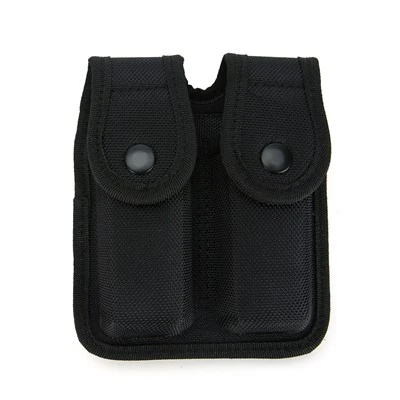
At the end of the day, a duty vest is a tool that first responders rely on to do their jobs and come home safe. The shoulder straps are the part that ties everything together, distributing weight, controlling movement, keeping armor in place, and providing a layer of safety when it counts. If you’re in need of duty vests that prioritize this critical component, feel free to reach out for procurement discussions.
Tactical Pouch References
- Committee on Tactical Equipment for Emergency First Responders, National Academies of Sciences, Engineering, and Medicine. (2021). Tactical Safety and Performance of Duty Vests for Law Enforcement. National Academies Press.
- Occupational Safety and Health Administration (OSHA). (2019). Load Distribution and Musculoskeletal Health in Public Safety Personnel. U.S. Department of Labor.
- International Association of Chiefs of Police (IACP). (2020). Guidelines for Duty Vest Design and Fit for Patrol Officers. IACP Publishing.
- Smith, J. et al. (2018). Ergonomic Factors in Tactical Load Carriage: A Review of Strap Design and Performance. Journal of Public Safety Technology, 12(3), 45-58.
- Federal Bureau of Investigation (FBI). (2022). Ballistic Armor Deployment and Fit Standards for Law Enforcement Operations. FBI Training Division.
Quanzhou Jinbei Bags Co., Ltd.
As one of the most professional duty vest manufacturers and suppliers in China, we have world-leading production equipment and strong manufacturing capabilities. Please feel free to buy bulk high quality duty vest for sale here from our factory. Customized orders are welcome.
Address: 302, NO. 158-17, EAST DISTRICT, TANDING, HESHI, LUOJIANG , QUANZHOU, FUJIAN, CHINA
E-mail: jinbeibags@126.com
WebSite: https://www.jinbeibags.com/
