Hey there, folks! I’m a supplier of non-woven wheels, and I’m super stoked to chat with you about what the abrasiveness of non-woven wheels really means. Non-Woven Wheel

First off, let’s break down what non-woven wheels are. They’re made from a bunch of fibers that are bonded together, not woven in the traditional sense. These wheels are used in all sorts of industries for things like surface finishing, deburring, and polishing. And the abrasiveness of these wheels is a super important factor that can make or break your project.
So, what exactly is abrasiveness? Well, in simple terms, it’s the wheel’s ability to grind, cut, or polish a surface. It depends on a few things, like the type of abrasive material used, the density of the fibers, and the bonding method.
Let’s start with the abrasive material. There are different types you can find in non-woven wheels. One common one is aluminum oxide. Aluminum oxide is tough and can handle a wide range of materials. It’s great for general-purpose grinding and polishing. Whether you’re working on metal, wood, or even some plastics, aluminum oxide non-woven wheels can get the job done. They’re a go-to for a lot of folks because they’re reliable and can last a while.
Another popular abrasive material is silicon carbide. Silicon carbide is sharper and harder than aluminum oxide. It’s perfect for working on hard and brittle materials. If you’re dealing with things like ceramics or glass, silicon carbide non-woven wheels are your best bet. They can cut through these tough materials quickly and give you a smooth finish.
The density of the fibers in the wheel also plays a big role in its abrasiveness. A higher density means there are more abrasive particles in a given area. This usually results in a more aggressive wheel. It can remove material faster, but it might also leave a rougher finish. So, if you need to quickly take off a lot of material, like when you’re deburring a thick metal piece, a high-density non-woven wheel is what you want.
On the other hand, a lower density wheel has fewer abrasive particles. It’s more suitable for fine finishing and polishing. You can use it to get that smooth, glossy look on your workpiece. For example, if you’re making a custom jewelry piece and you want to give it a high – shine finish, a low – density non – woven wheel is the right choice.
The bonding method is another factor that affects abrasiveness. There are different ways to bond the fibers and abrasive particles together. A strong bond holds the abrasive particles in place better, so they stay on the wheel longer. This is good for applications where you need consistent abrasiveness over a long period. For instance, in a production line where you’re constantly grinding the same type of parts, a wheel with a strong bond can save you time and money because you don’t have to replace it as often.
A weaker bond, however, allows the abrasive particles to break away more easily. This can be beneficial in some cases, like when you want to expose fresh, sharp particles as you’re working. It can help maintain a consistent cutting action, especially when dealing with softer materials.
Now, let’s talk about how to choose the right abrasiveness for your project. The type of material you’re working on is the first thing to consider. Like I mentioned earlier, for softer materials like wood or aluminum, an aluminum oxide non – woven wheel with a lower density might be the best option. It won’t be too aggressive and will give you a nice finish.
For harder materials such as stainless steel, a silicon carbide or a high – density aluminum oxide wheel could be better. They have the cutting power you need to get through the tough stuff. Also, think about the finish you want. If you’re aiming for a rough, textured look, you can use a more aggressive wheel. But if you want a mirror – like finish, you’ll need to start with a coarser wheel to remove the bulk of the material and then move on to a finer – grained, lower – density wheel for the final polish.
You should also take into account the equipment you’re using. If you have a high – speed grinder, you can use more aggressive wheels because the speed helps increase the cutting action. But if you’re using a handheld tool with less power, you might need to go for a less aggressive wheel to avoid over – stressing the tool.
As a non – woven wheel supplier, I’ve seen all kinds of projects. I’ve had customers come to me with big industrial jobs, like finishing the surfaces of large metal pipes. For these projects, high – density, heavy – duty non – woven wheels are the way to go. They can handle the large volume of material that needs to be removed and maintain a consistent finish.
Then there are the small – scale artisans, like custom knife makers. They need wheels that can give them a precise and smooth finish. For them, I often recommend low – density, fine – grained non – woven wheels. These wheels allow them to work on the delicate parts of the knife and achieve that professional look.
One thing I always tell my customers is to test the non – woven wheels on a small piece of the same material before starting the full project. This way, you can see how the wheel behaves and if it gives you the results you want. You can adjust the pressure, speed, and the type of wheel accordingly.
In conclusion, understanding the abrasiveness of non – woven wheels is crucial for getting the best results in your projects. Whether you’re a large – scale manufacturer or a hobbyist, choosing the right wheel based on the material, finish, and equipment can make your work a lot easier and more efficient.
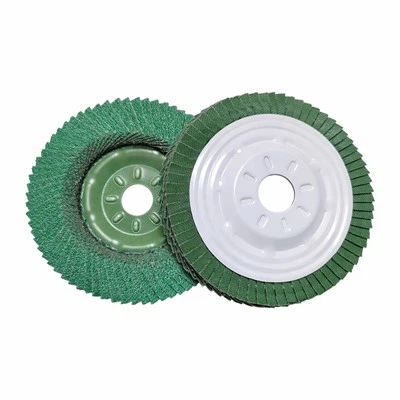
If you’re interested in learning more about our non – woven wheels or if you’re looking to place an order, don’t hesitate to reach out. We’ve got a wide range of options to suit different needs, and our team is always happy to help you find the perfect one for your project. Let’s get started on achieving that perfect finish together!
Zirconia Alumina Flap Disc References
- "Abrasive Technology Handbook" – This book provides in – depth knowledge about different abrasive materials and their applications.
- "Surface Finishing Techniques" – A great resource for understanding how to choose the right abrasives for various surface finishing tasks.
Henan Yandisc Hardware Tools Co., Ltd.
As one of the most professional non-woven wheel manufacturers and suppliers in China, our products have good reputation in the market. Please feel free to wholesale high quality non-woven wheel made in China here from our factory. Customized orders are welcome.
Address: Zinan Road, High-tech Industrial Development Zone, Zhengzhou, Henan, China
E-mail: info@yandisc.com
WebSite: https://www.yandisc.com/
