Hey there! As a long – time abrasive media supplier, I often get asked how this stuff actually works. So, I thought I’d break it down for you in a way that’s easy to understand. Abrasive Media

The Basics of Abrasive Media
First off, what the heck is abrasive media? Well, it’s basically a material that’s used to smooth, shape, or clean a surface through abrasion. You can think of it as a super – tiny砂纸 on a microscopic level. These media come in different types, like sand, glass beads, ceramic particles, and even walnut shells. Each type has its own unique properties that make it suitable for different jobs.
How Abrasion Happens
The core principle behind how abrasive media works is abrasion. Abrasion is the process of wearing away a surface by rubbing it against another rough surface. When you use abrasive media, you’re essentially throwing tiny, rough particles at a surface. These particles hit the surface and scrape off little bits of material.
Let’s say you’re using sandblasting, which is a common method of applying abrasive media. You’ve got a sandblaster that shoots a high – pressure stream of sand particles at a metal surface. As the sand hits the metal, it chips away at rust, paint, or other contaminants on the surface. The harder and more angular the sand particles are, the more aggressive they’ll be at removing stuff.
Different Types of Abrasive Media and Their Working Mechanisms
Sand
Sand is one of the oldest and most well – known abrasive media. It works great for removing heavy rust and paint from metal surfaces. The grains of sand are rough and angular, so when they impact a surface, they can cut through tough coatings. When sand hits the surface, it creates a kind of "micro – chipping" effect. Each grain knocks off a tiny piece of the material on the surface. However, sand has its drawbacks. It can create a lot of dust, which is not only messy but also potentially harmful to breathe in.
Glass Beads
Glass beads are a bit different. They’re smooth and spherical. Instead of chipping away material like sand, glass beads work by peening the surface. Peening is when the beads hit the surface and cause it to deform slightly. This is great for cleaning and strengthening metal surfaces. When you use glass beads on a metal part, they can remove light debris and also improve the fatigue resistance of the metal. The beads compress the surface layer of the metal, making it more resistant to cracking and wear.
Ceramic Abrasives
Ceramic abrasives are super – hard and durable. They’re often used in high – precision grinding operations. These abrasives work by a combination of cutting and fracturing. The ceramic particles are sharp and can cut through materials like a hot knife through butter. And when they do start to wear out, they fracture into smaller, still – sharp pieces. This self – sharpening property makes them very efficient for grinding hard materials like steel and ceramics themselves.
Walnut Shells
Now, walnut shells are a more "eco – friendly" option. They’re soft compared to other abrasive media. They work by gently scrubbing the surface. They’re great for cleaning delicate surfaces where you don’t want to cause any damage. For example, you can use walnut shells to clean antique wood furniture or to remove light tarnish from jewelry. The shells are porous, and they can absorb some of the contaminants as they scrub the surface.
Factors That Affect How Abrasive Media Works
Particle Size
The size of the abrasive particles matters a lot. Smaller particles are better for fine finishing. They can create a smooth, polished surface because they make smaller scratches. On the other hand, larger particles are more aggressive. They’re used for removing thick coatings or roughing up a surface before painting or bonding. If you’re using a blasting system, the particle size also affects the speed at which the media is propelled. Smaller particles can be shot out at higher speeds, while larger particles may need more pressure to move effectively.
Hardness
The hardness of the abrasive media is crucial. A harder abrasive will be able to cut through softer materials more easily. For example, diamond is one of the hardest materials out there, and diamond – based abrasives can be used to grind and polish extremely hard substances like carbide. Softer abrasives, like walnut shells, are used on materials that can be easily damaged, such as plastics or wood.
Shape
The shape of the abrasive particles also plays a role. Angular particles, like sand, are very good at cutting and chipping. They have sharp edges that can dig into the surface. Round particles, like glass beads, are better for peening and creating a smoother finish. The shape also affects how the particles flow through a blasting or grinding system. Angular particles may get stuck more easily, while round particles flow more freely.
Applications of Abrasive Media
Abrasive media is used in a wide range of industries. In the automotive industry, it’s used for preparing metal surfaces for painting. Before a car body gets a fresh coat of paint, it’s often sandblasted to remove any old paint, rust, or surface imperfections. This ensures that the new paint will adhere properly and last longer.
In the aerospace industry, abrasive media is used for precision grinding of engine parts. The high – precision requirements mean that very hard and fine – grained abrasives, like ceramic, are used to ensure the tight tolerances needed for safe and efficient engine operation.
In the jewelry industry, softer abrasives like walnut shells and flour – sized abrasives are used to clean and polish delicate pieces. They can remove dirt and tarnish without scratching the precious metals or gemstones.
Quality Abrasive Media from Us
As a supplier of abrasive media, I can tell you that the quality of the media matters big time. We source our materials from the best places around the world and use strict quality control measures. We’ve got a wide range of abrasive media to suit different needs. Whether you’re looking for something really aggressive to remove tough coatings or something gentle for fine finishing, we’ve got you covered.
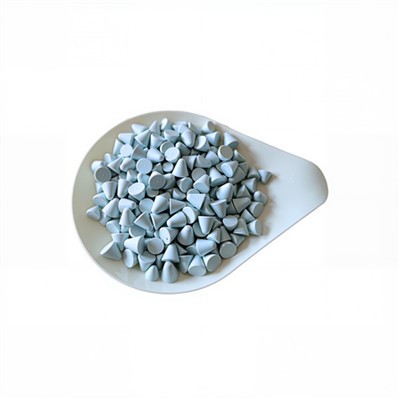
Our team is always on hand to help you choose the right abrasive media for your project. We understand that every situation is unique, and we’re committed to making sure you get the best results.
Centrifugal Barrel Finishing Machine So, if you’re in the market for abrasive media for your business or personal project, don’t hesitate to reach out. We’re here to answer your questions, provide samples if needed, and get you the high – quality abrasive media you need at a great price. Contact us today to start a conversation about how we can meet your abrasive media requirements.
References
- Advances in Abrasive Technology, edited by various experts in the field.
- Handbook of Abrasive Materials and Their Applications, a comprehensive guide on different types of abrasives.
Dongguan Xindingsheng Intelligent Grinding Technology Co., Ltd.
Dongguan Xindingsheng Intelligent Grinding Technology Co., Ltd. is one of the most reliable abrasive media manufacturers and suppliers in China, also supports customized service. Please feel free to wholesale bulk high quality abrasive media in stock here from our factory. Contact us for pricelist.
Address: Room 101, Building 1, No. 73 Dahuangmei Road, Dalingshan Town, Dongguan City, Guangdong Province, China
E-mail: cndskj@126.com
WebSite: https://www.xdsfinishing.com/
