Is Micro Expanded Metal Environmentally Friendly?
As a supplier of micro expanded metal, I’ve often been asked about its environmental implications. This is a crucial question in today’s world, where sustainability is at the forefront of many industries and consumers’ minds. In this blog, I aim to delve into the various aspects of micro expanded metal to determine if it truly stands as an environmentally friendly option. Micro Expanded Metal
Production and Resource Utilization
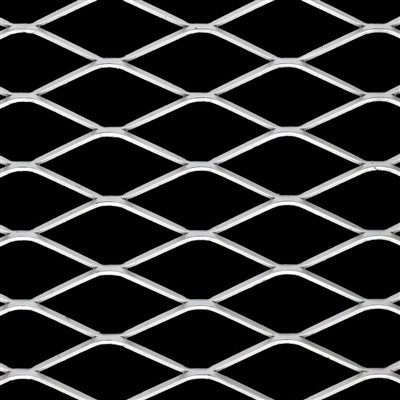
One of the key factors in assessing the environmental friendliness of any product is its production process. Micro expanded metal is created from a single sheet of metal through a process of slitting and stretching. Unlike some manufacturing methods that involve extensive cutting and waste generation, the expansion process maximizes the use of the original metal sheet.
When creating micro expanded metal, we start with a carefully selected metal coil. The slitting and stretching operations transform this flat sheet into a lattice-like structure with unique properties. During this process, there is minimal material waste because the metal is simply reshaped rather than having large portions cut away. This efficient use of raw materials is a significant advantage from an environmental perspective. It means that we are reducing the demand for new metals, which in turn helps conserve natural resources.
For instance, if we consider the mining and extraction of metals, it is a resource – intensive and often environmentally damaging process. By using the expansion method to create micro expanded metal, we are making the most of the metals we have already extracted. This reduces the need for additional mining, which is associated with habitat destruction, water pollution, and high energy consumption.
Energy Consumption in Production
Another important aspect of environmental impact is the energy consumed during production. The equipment used to produce micro expanded metal, such as expansion machines, does require energy to operate. However, compared to other metal – forming processes like casting or forging, the energy requirements are relatively low.
In casting, molten metal needs to be heated to extremely high temperatures, which consumes a large amount of energy. Forging also involves significant energy input to shape the metal under high pressure. In contrast, the expansion process for micro expanded metal mainly relies on mechanical force to slit and stretch the metal sheet. This reduces the overall energy consumption and the associated greenhouse gas emissions.
Our manufacturing facilities are also constantly striving to improve energy efficiency. We use modern, energy – efficient machinery and implement measures to optimize the production process. For example, we have invested in equipment that can adjust its power consumption based on the workload, ensuring that energy is not wasted during periods of low – intensity production.
Durability and Longevity
Micro expanded metal is known for its high durability and longevity. It can withstand harsh environmental conditions, including corrosion, abrasion, and extreme temperatures. This durability means that products made from micro expanded metal have a longer service life compared to many other materials.
When a product lasts longer, it reduces the frequency of replacement. This has a positive impact on the environment because fewer resources are needed to produce new products. For example, if micro expanded metal is used in architectural applications such as facades or railing systems, it can remain in service for decades without significant degradation. In contrast, materials like wood or certain plastics may need to be replaced more frequently due to rotting, warping, or degradation from environmental exposure.
Moreover, the long – lasting nature of micro expanded metal also reduces maintenance requirements. Less maintenance means less use of chemicals and other resources associated with repair and upkeep. This further contributes to its environmental friendliness.
Recyclability
One of the standout features of micro expanded metal is its high recyclability. Metal is one of the most recycled materials in the world, and micro expanded metal is no exception. At the end of its useful life, micro expanded metal can be easily collected and recycled back into new metal products.
The recycling process for metal is relatively energy – efficient compared to primary metal production. It requires less energy to melt and re – process recycled metal than to extract and refine new metal from ore. This not only conserves energy but also reduces greenhouse gas emissions and other environmental pollutants associated with mining and refining.
Our company encourages the recycling of our micro expanded metal products. We work with recycling partners to ensure that the used metal is properly collected and recycled. This closed – loop system helps to minimize the environmental impact of our products and promotes a more sustainable approach to metal use.
Applications and Environmental Benefits
Micro expanded metal has a wide range of applications, and in many of these applications, it offers environmental benefits.
In the field of filtration, micro expanded metal can be used as a filter medium. It provides efficient filtration while having a long service life, reducing the need for frequent filter replacements. This is beneficial in industrial processes where filtration is crucial for maintaining product quality and reducing waste.
In architectural applications, micro expanded metal can be used for shading and ventilation systems. Its open structure allows for natural light and air to pass through, reducing the need for artificial lighting and mechanical ventilation. This can lead to significant energy savings in buildings, contributing to a more sustainable built environment.
In the automotive industry, micro expanded metal can be used in components such as heat shields and battery trays. Its lightweight yet strong properties can help improve fuel efficiency by reducing the overall weight of the vehicle. This, in turn, reduces carbon emissions and the environmental impact of transportation.
Conclusion
After a comprehensive analysis, it is clear that micro expanded metal offers several environmental advantages. Its efficient manufacturing process minimizes material waste, reduces energy consumption, and conserves natural resources. Its durability and long service life reduce the need for frequent replacements, and its high recyclability makes it a sustainable choice for the end – of – life phase.

Additionally, the various applications of micro expanded metal in different industries contribute to further environmental benefits such as energy savings and waste reduction.
Round Hole Perforated Metal If you are looking for an environmentally friendly metal product for your next project, micro expanded metal is an excellent option. Whether you are in the architectural, industrial, or automotive sector, our high – quality micro expanded metal can meet your needs. We are committed to providing sustainable solutions and would be delighted to discuss your requirements. Please reach out to us to start a conversation about your micro expanded metal procurement needs.
References
- Metals Handbook, ASM International
- Environmental Impact Assessment of Metal Production Processes, International Journal of Sustainable Manufacturing
- Recycling of Metals: A Review, Journal of Material Cycles and Waste Management
Anping Yilida Metal Wire Mesh Co., Ltd.
Anping Yilida Metal Wire Mesh Co., Ltd. is one of the most reliable micro expanded metal manufacturers and suppliers in China, also supports customized service. Please feel free to buy bulk high quality micro expanded metal made in China here from our factory.
Address: Wire Mesh Development Zone, Anping, Hebei Province, China
E-mail: sales@wiremesh-yg.cn
WebSite: https://www.yilidametal.com/
